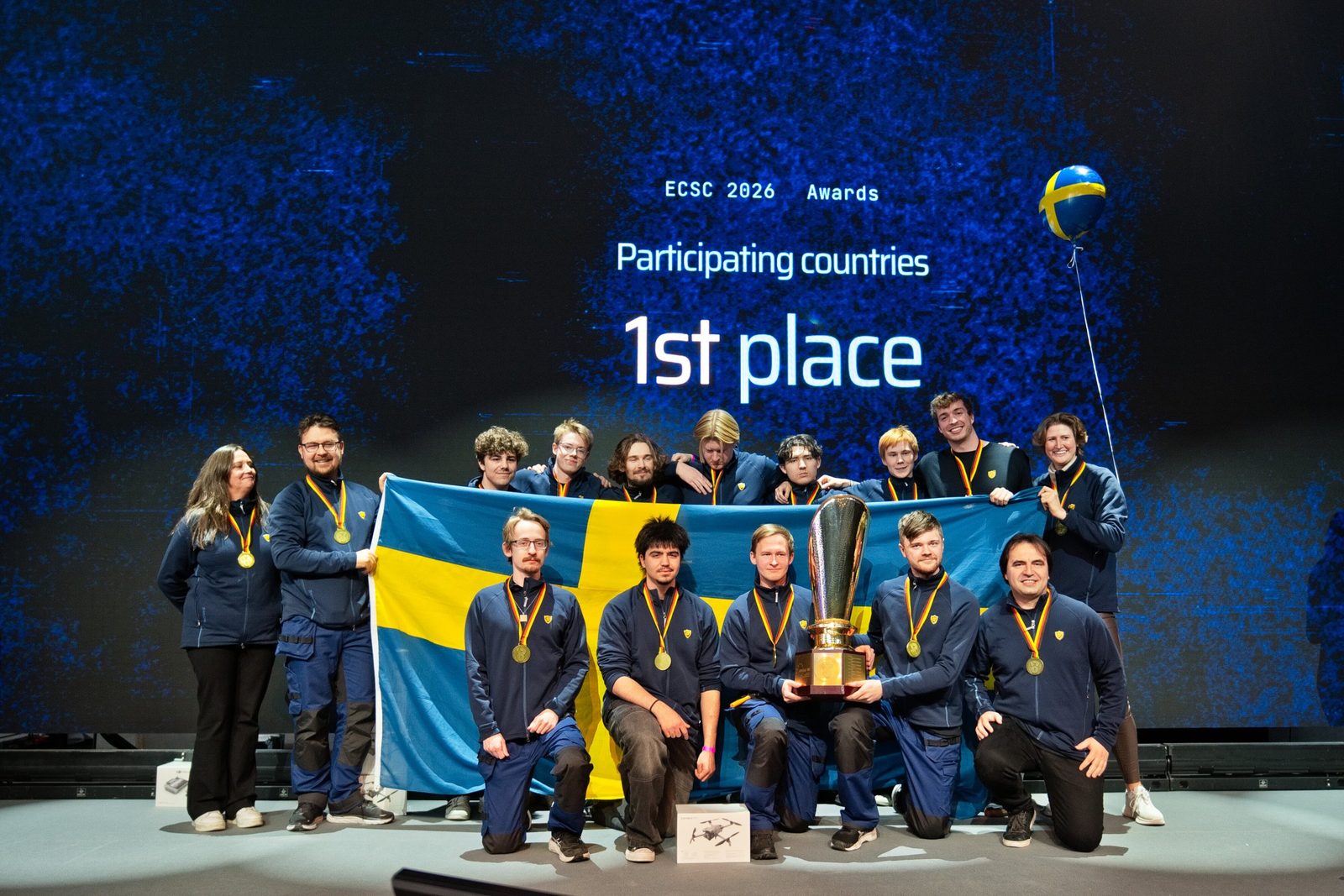
Finland and Austria complete the podium. The USA receive the award for Best Guest Country.
Bochum, Germany, 16 October 2026. Sweden has won the European Cybersecurity Challenge (ECSC) 2026. From 12 to 16 October, more than 400 young cybersecurity talents from 42 countries competed in national teams in Bochum. Finland took second place and Austria third. The award for Best Guest Country went to the USA.
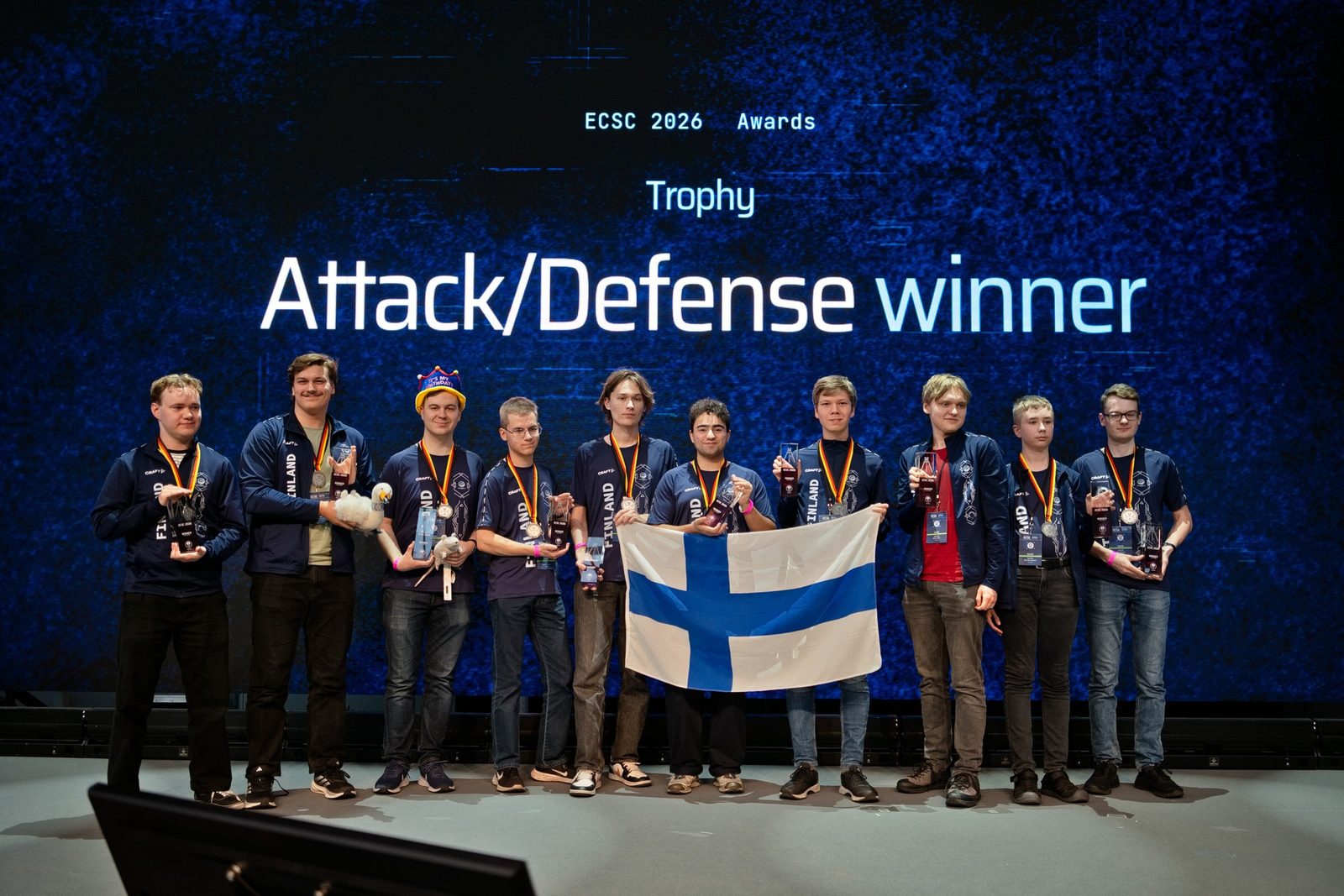
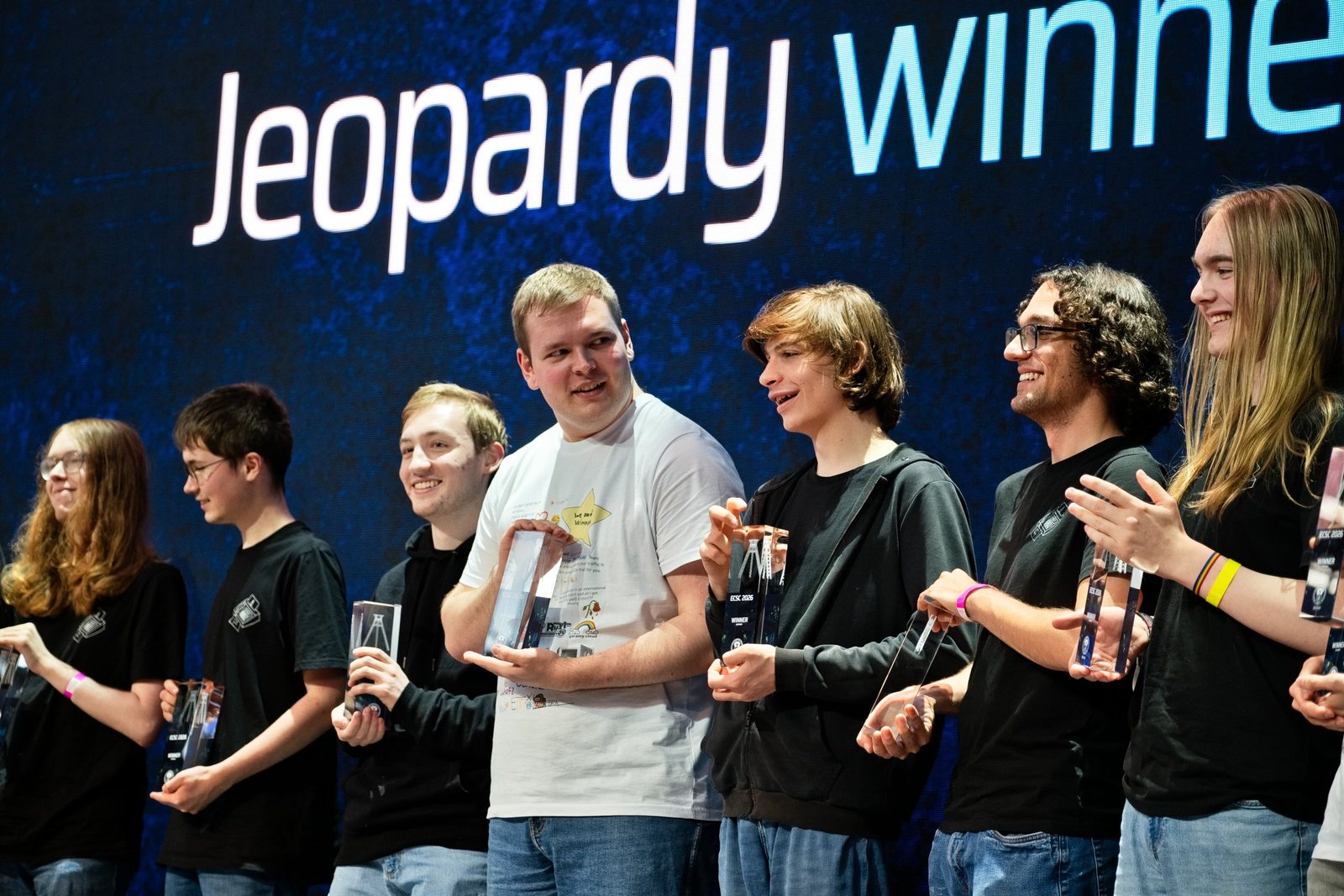
Finland won the Attack-Defense competition and Germany the Jeopardy competition. The overall ranking combines both competitions.
Two competition formats
In the Jeopardy competition, participants solve demanding cybersecurity challenges, analyse vulnerabilities and find hidden strings known as flags. The challenges cover web security, cryptography, reverse engineering, and software and hardware vulnerabilities, among other areas.
The Attack-Defense competition focuses on securing running services in practice. Teams protect their own systems while exploiting vulnerabilities in the systems of the opposing teams. Both formats place different demands on technical knowledge, strategy and teamwork.
Young talent from across Europe
Every year, the ECSC brings together national youth teams. Participants aged 14 to 25 qualify through national selection competitions. In Bochum, they put their knowledge into practice, tested themselves against challenging tasks and learned alongside peers from other countries. Beyond the competition, they build connections with the European cybersecurity community.
The closing ceremony at Jahrhunderthalle Bochum brought together representatives from European institutions, academia, the public sector and industry. Speakers included Dr. Evangelos Ouzounis, Head of the Capacity Building Unit at the European Union Agency for Cybersecurity (ENISA), Professor Sokratis Katsikas of the Norwegian University of Science and Technology (NTNU), Alexandra Asgari of the European Cybersecurity Competence Centre (ECCC), and Jörg Lukat, Mayor of Bochum.

“Building Europe’s cybersecurity capacity starts with investing in people: giving young talents the opportunity to develop their skills, test themselves against real-world challenges, and learn from one another across borders. The European Cybersecurity Challenge is an excellent example of how competition and collaboration can work hand in hand to strengthen Europe’s cybersecurity community. The participants here are not only developing the skills needed to address today’s threats; they are also helping shape the future of cybersecurity in Europe.”
Dr. Evangelos Ouzounis, ENISA
Hosted in Bochum
ECSC 2026 was hosted by NFITS: the German non-profit association Nachwuchsförderung IT-Sicherheit e.V. and its non-profit subsidiary NFITS Events gGmbH. ECSC 2026 is funded by the European Union. Schwarz Digits, IKARUS Security and Securepoint supported the event as sponsors, along with the City of Bochum, further sponsors and partners, and numerous volunteers.
“Taking on the organisation of the ECSC was a major undertaking, especially with the relatively short preparation time. Thanks to the commitment of our volunteers, the support of our partners, and the enthusiasm of the participants, we were able to bring hundreds of young cybersecurity talents together in Bochum. We are proud of what we have achieved together and hope that the connections made here will continue long after the competition.”
Karla Pizzi, Vice Chair of Nachwuchsförderung IT-Sicherheit e.V.
As ECSC 2026 comes to an end, participants leave with new experiences, strengthened technical skills and connections across national borders.
Media
Results: ecsc2026.de/scoreboard. Press photos: ecsc2026.de/gallery.
Media contact
Lars Adolph
Nachwuchsförderung IT-Sicherheit e.V.
media@ecsc2026.de